
Scholarships for Indian Scholars 2026: The Complete Funding Guide
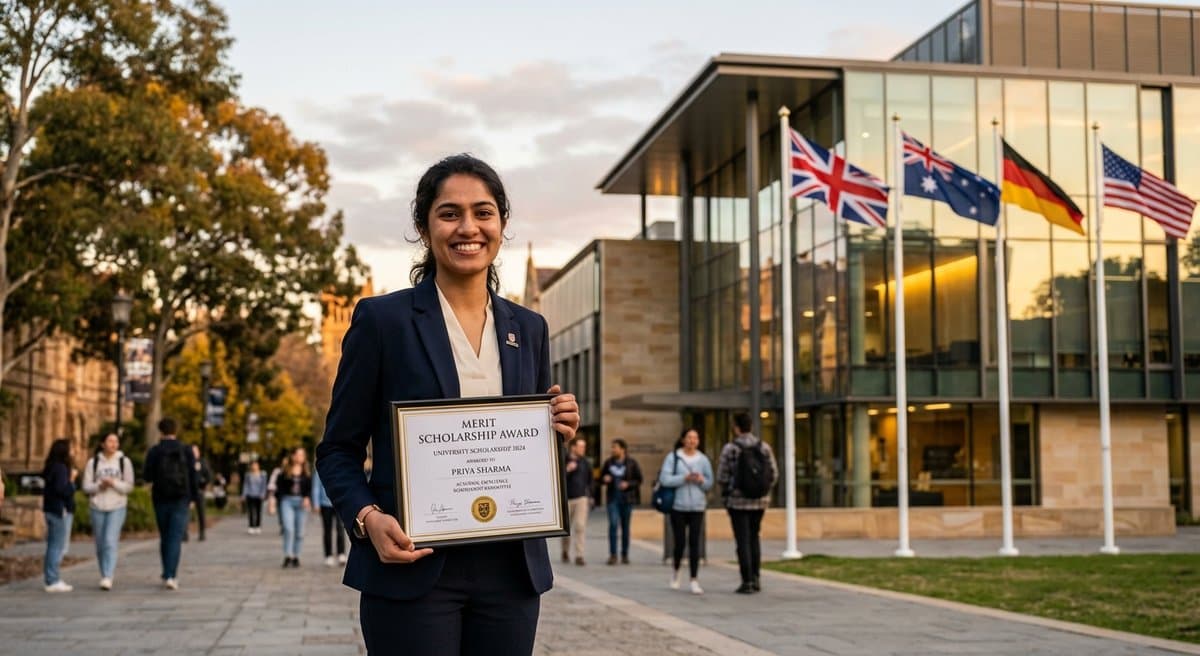
Funding is the single biggest barrier between Indian students and their international education dreams. Tuition fees, living costs, visa expenses, travel, insurance, it adds up fast, and for most middle-class families, the sticker price of studying abroad feels completely out of reach. But here’s what most families don’t realise: there’s more scholarship money available for Indian scholars in 2026 than ever before. The money is there. You just need to know where to look and how to position yourself to get it. This guide explains scholarships for indian scholars in practical detail.
Government scholarships remain the strongest and most reliable option. The National Overseas Scholarship for SC/ST students covers full tuition and living costs for postgraduate programmes abroad, it’s been running for decades and has a well-established application process. The Fulbright-Nehru Fellowship targets exceptional Indian scholars for US-based programmes with generous funding that covers everything from tuition to health insurance. The Commonwealth Scholarship covers tuition, airfare, and living allowance for UK-bound students from Commonwealth nations. These aren’t niche programmes with one or two slots, they’re established pipelines that award hundreds of scholarships each year. The competition is real, but so is the opportunity.
University-specific scholarships are increasingly targeting Indian students directly, and the trend is accelerating. UK universities like the University of Sheffield, University of Leeds, and Queen Mary University of London offer India-specific merit scholarships ranging from GBP 2,000 to GBP 5,000 per year. Australian universities including the University of Melbourne and UNSW have similar programmes designed specifically to attract Indian talent. The key is applying early, most scholarship deadlines close 6 to 9 months before the programme start date, which means you need to start your research and applications at least 12 months in advance.
Private and corporate scholarships are the fastest-growing category, and many Indian families overlook them entirely. The JN Tata Endowment provides loan scholarships for Indian students pursuing postgraduate studies abroad, it’s been running since 1892 and has supported thousands of scholars. The Inlaks Shivdasani Foundation funds exceptional scholars at top global institutions with full or partial funding. The Narotam Sekhsaria Foundation offers interest-free loans for overseas education that you repay after graduation, which removes the immediate financial pressure. These programmes typically look for a combination of academic merit, leadership potential, and a clear vision for how the scholarship will impact your career and community.
Here’s the practical advice that actually works: don’t rely on a single funding source. Build a scholarship portfolio. Combine a government scholarship with an university merit award and a private foundation grant. Three smaller scholarships that add up to full funding are just as valuable as one big scholarship, and they’re often easier to get because you’re competing in smaller pools. Many Indian scholars who study through structured pathway programmes like Uniassure’s UA Pathway also benefit from the reduced first-year costs in India, which means less total funding needed overall and a stronger financial position when applying for additional scholarships.
Start your scholarship search 12 to 18 months before your intended start date. Build a spreadsheet of deadlines, requirements, and eligibility criteria. Get your documents in order early, transcripts, recommendation letters, personal statements, financial declarations. And don’t overlook smaller scholarships, a GBP 1,000 award might seem insignificant, but it covers your visa fee and flight ticket, which are real expenses that add up quickly.
The scholarship environment for Indian scholars in 2026 is genuinely the best it’s ever been. The funding exists. The opportunities are real. The only question is whether you’re willing to put in the work to find and secure them.
You might also like: Related posts on Uniassure: related post: cost-of-studying-abroad-2026-c, related post: real-cost-studying-abroad-2026. Related articles: Living Costs Abroad Budget Guide, Post-Study Work Rights Guide 2026. Explore Uniassure pathways: Ua Assurance, Value Added Courses. Sources: World Bank Education Statistics, British Council study abroad data.
By the Uniassure Editorial Team
Reviewed by the Uniassure counselling desk, which advises Indian students on overseas admissions.
Last updated: August 2026.
Reference: UNESCO Institute for Statistics.