
How Safe Is Studying Abroad? A Practical Safety Guide for Indian Students (2026)
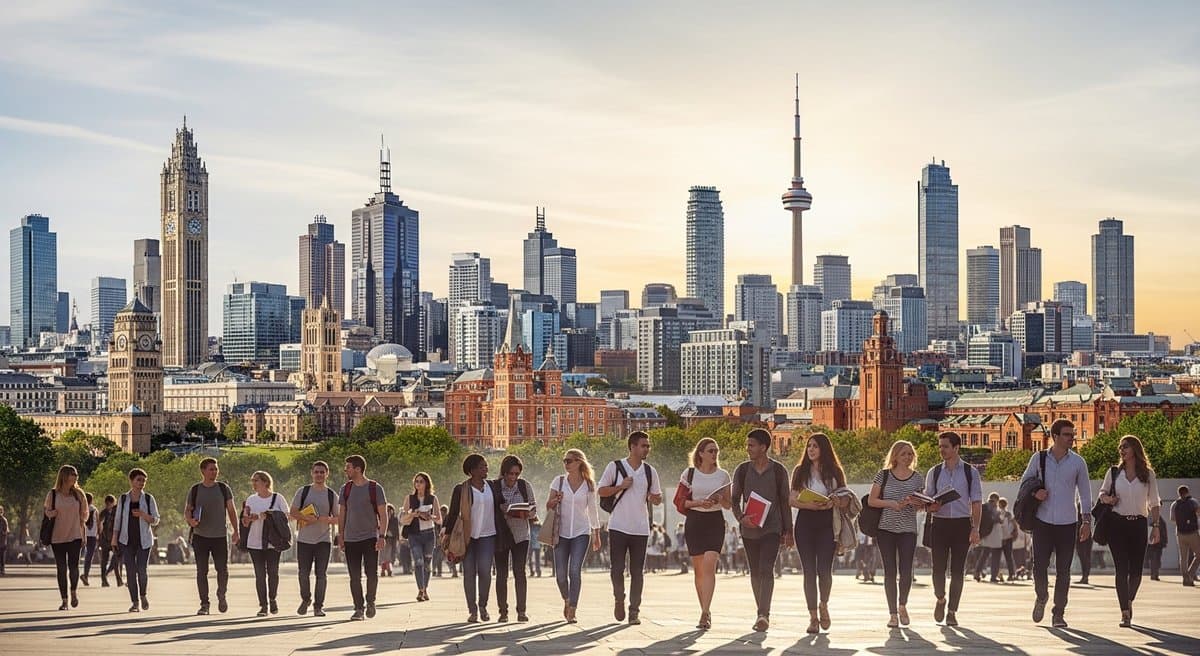
- Student safety abroad is mostly about preparation, not luck.
- The real risks for international students are petty theft, housing and job scams, cyber fraud, and late night transit misjudgments, far more than headline events.
- Research neighbourhoods before signing a lease, register with your university’s international office and the Indian embassy’s student portal, save local emergency numbers on day one, and treat any request for gift cards, crypto payments, or visa fee transfers as a scam by default.
- This guide explains safe is studying abroad in practical detail.
Choosing where to live
Crime varies street by street, not city by city. Before committing to housing, check the area at night on street view, read student forum threads for that university, and ask the international students’ association which areas they avoid. Prioritise well lit transit connections over slightly cheaper rent, because a 15 percent rent saving that forces late night walks through dead zones is a bad trade.
The scams that actually target students
| Scam | How it works | Defense |
|---|---|---|
| Fake landlord | Deposit demanded before viewing | Never pay before a live video tour and contract |
| Immigration impersonation | Caller claims visa violation, demands payment | Authorities never demand payment by phone; hang up and call the official line |
| Job placement fraud | Fee charged for guaranteed part time work | Legit employers never charge candidates |
| Money mule recruitment | Easy money for receiving transfers | Criminal offense; can end your visa |
| Tuition discount agents | Pay tuition through us for 10 percent off | Pay only through official university channels |
Set up your safety net in week one
Save the local emergency number, campus security, your country’s student helpline, and the nearest Indian mission. Register on the MADAD portal so the embassy can reach you in a crisis. Share your live location with a trusted contact for late travel, learn the campus safe walk service, and photograph your passport, visa, and insurance card into secure cloud storage. Most universities also run free late night shuttle services that students simply never look up.
| Contact | Where to find it |
|---|---|
| Local emergency (police, ambulance) | 911 US and Canada, 999 UK, 000 Australia, 112 Europe |
| Campus security 24×7 line | University safety page, save on day one |
| Indian embassy or consulate | MEA website, plus MADAD registration |
| Insurance emergency line | Policy card, keep a photo in your phone |
Money, health, and digital safety
Carry minimal cash, enable transaction alerts, and never share OTPs, including with callers claiming to be your bank. Health wise, know your nearest urgent care and how your insurance claims work before you need them. Digitally, use a password manager and two factor authentication on university and bank accounts, since compromised student email is the entry point for most financial fraud. Follow the setup order in our first week abroad checklist, and understand your coverage through the health insurance basics guide.
Frequently Asked Questions (FAQ)
Which countries are safest for Indian students?
Standard destinations all rank well on student safety indices; within country and within city choices matter far more than country rankings.
Is it safe to work late shifts?
Prefer roles ending before transit thins out, use safe walk services, and split late shifts with a colleague commute where possible.
What should I do if I am robbed?
Prioritise safety, then file a police report immediately; you need the report number for insurance, replacements, and visa document reissue.
Are campus emergency apps worth installing?
Yes. Most universities offer one with a panic button, escort booking, and alerts. Install it during orientation.
How do I verify a rental or job is genuine?
Independent contact details, a verifiable business or landlord registration, no upfront fees, and willingness to do a live video call. Missing any of these, walk away.
To Written by the Uniassure Academic Intelligence Team
Founders: Vikram S. & Gurinder S.
Your trusted partner in Destination Learning and overseas academic success.
- Study Abroad Success Program: Guide for Indian Students
- Study Abroad Preparation 2026: Education Loan Guide for Indian Students
- Mastering Study Abroad Preparation for Indian Students
- Study Abroad Scholarships for Indian Students 2026: Complete Funding Guide
Read next
- Cost of Studying Abroad in 2026: A Budget Guide for Indian Students
- Cost of Studying Abroad in 2026: A Budget Guide for Indian Students
- Part-Time Work While Studying Abroad: Complete Guide for Indian Students 2026
By the Uniassure Editorial Team
Reviewed by the Uniassure counselling desk, which advises Indian students on overseas admissions.
Last updated: August 2026.
Reference: UNESCO Institute for Statistics.
Talk to a counsellor
Tell us the country and course you are aiming for and we will map out your eligibility, costs and timeline for the next intake.